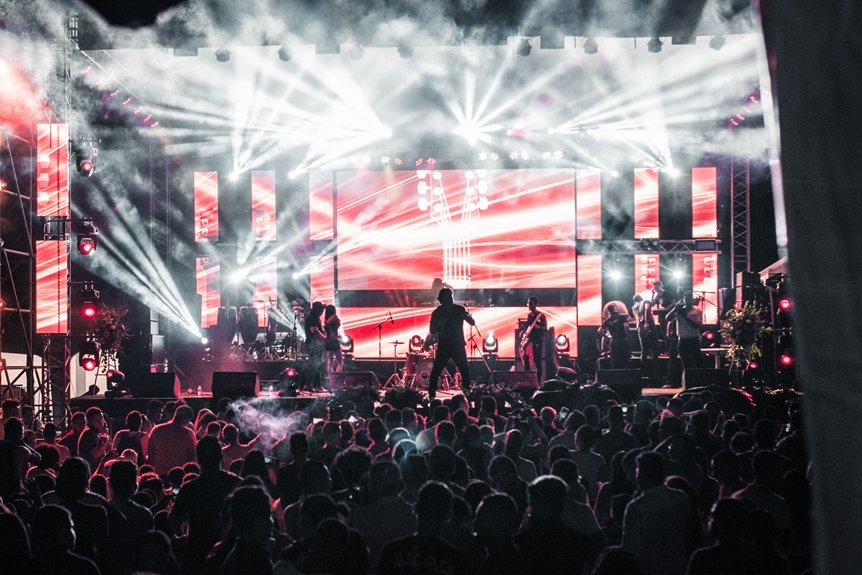
Rod Stewart 3.5 Million Concert distills touring into scalable modules: modular routing, disciplined budgeting, and fan-centric access. The approach preserves a cohesive sonic and visual identity while adapting to demand. Setlists, stagecraft, and merch cadence reinforce narrative continuity across markets. Data-driven engagement informs pacing and long-tail value. The result is steady delivery and diversified profitability, yet crucial questions remain about execution detail and market-specific nuances that invite further exploration.
What Makes Rod Stewart’s Global Tour So Scalable
The global tour’s scalability hinges on a modular logistics framework and a diversified revenue mix, which together dampen risk and extend lift across markets.
This analysis treats tour scalability as a systemic attribute, highlighting standardized payloads, scalable staffing, and flexible routing.
Global logistics enable rapid market pivots, ensuring consistent delivery, cost control, and sustained momentum for a wide, freedom-forward audience.
Designing the Show: Setlists, Stagecraft, and Sonic Identity
A careful alignment of setlists, stagecraft, and sonic branding defines a Rod Stewart concert as a coherent narrative rather than a disparate sequence of songs.
The approach emphasizes set design, sound cues, and tour branding to weave genre history with contemporary execution.
Merch strategy and performance architecture reinforce identity, balancing spontaneity with disciplined curation and contextual audience freedom.
Logistics Mastery: Scheduling, Budgets, and Fan Experience at Scale
Logistics mastery in a Rod Stewart tour hinges on disciplined scheduling, disciplined budgeting, and a fan-centric operational framework that scales without sacrificing experience.
The analysis identifies logistical pivots that optimize touring tempo, venue mix, and crew deployment, while preserving show quality.
Clear budgeting interfaces reveal revenue streams, cost controls, and risk buffers, enabling scalable, freer fan access without compromising profitability or pace.
From Numbers to Fans: Engagement, Merch, and Long-Tail Impact
From the prior focus on scheduling, budgeting, and fan-centric operations, the analysis shifts to how numerical insight translates into tangible fan engagement, merchandise strategy, and long-tail impact. Engagement metrics illuminate which touchpoints convert awareness into loyalty, while merchandise strategy aligns product cadence with demand dynamics. This approach frames sustainable fan value, informing long-term, scalable revenue beyond peak concert moments.
Frequently Asked Questions
How Does Rod Stewart Maintain Vocal Health on Long Tours?
Rod Stewart maintains vocal health on long tours through disciplined routines and strategic rest. He prioritizes vocal warmups and tour nutrition, supporting stamina, consistent breath control, and reduced fatigue within demanding performance schedules.
What Unseen Costs Influence the Tour’s Overall Profitability?
Unseen costs include insurance, contingency staging, crew overtime, and security; these influence profitability. An analytical lens shows profitability drivers hinge on load-in efficiency, renegotiated sponsorships, and scalable production, aligning cost discipline with audience demand and freedom to perform.
How Are International Safety and Compliance Issues Managed?
Safeguards are navigated like a ship’s compass; international compliance and safety governance steer operations. The tour maintains consistent audits, cross-border regulatory liaison, and incident reporting, ensuring legal alignment, risk mitigation, and transparent accountability across diverse jurisdictions.
Which Data Metrics Best Predict Merchandise Peak Moments?
Data metrics and merchandise metrics together predict peak moments, enabling pricing strategies that respond to demand. In this analytical, contextual view, one observes correlations between sales velocity, inventory turnover, and promotional lift to forecast peak moments.
How Does the Tour Handle Legacy Songs vs. New Material Live?
The tour balances legacy songs with new material by sequencing familiar anthems alongside contemporary compositions, establishing flow and familiarity while introducing risk. This analytical approach respects audience expectations, maintaining identity through context, while inviting exploration of evolving sonic territory.
Conclusion
In the theater of global touring, the 3.5 Million Concerts blueprint acts as a seasoned navigator steering through shifting currents. Allegorically, it resembles a lighthouse whose steady beam—design, logistics, and fan-centric revenue—cuts through foggy doubt and rough seas. From data-driven pacing to shared sonic identity, the voyage remains coherent, scalable, and enduring. The result is a coherent map where distant shores of markets, merch, and moments align, guiding fans and organizers toward lasting resonance.